How Long Does SEO Take?

One of the most common questions in digital marketing is: “How long does SEO take?” Most people expect quick results.They publish content, wait for a few weeks, and then feel disappointed. From my experience, SEO doesn’t fail because it takes time.It fails because people expect it to work like ads. SEO is not instant. But once it starts working, it brings consistent results without depending on daily spending. The Short Answer SEO usually takes: But this is not fixed. Some pages rank faster.Some take longer. It depends on multiple factors. Why SEO Takes Time Search engines don’t rank content immediately. They need time to: From experience, even good content takes time to gain visibility. Key Factors That Affect SEO Time 1. Website Age New websites take longer. Because: Older websites usually rank faster because they already have some credibility. 2. Competition Level If you target competitive keywords, ranking takes more time. Example: From experience, starting with less competitive keywords gives faster results. 3. Content Quality Content plays a major role. If your content: Then it performs better. Poor content struggles, no matter how long you wait. 4. Keyword Strategy Choosing the right keywords can speed up results. Wrong keywords = no resultsRight keywords = faster growth In many projects, changing keyword strategy alone improved performance. 5. On-Page SEO Even good content needs proper optimization. Basic improvements like: can make a big difference. 6. Consistency SEO is not a one-time activity. Websites that: grow faster over time. 7. Backlinks (Trust Factor) Backlinks help search engines trust your website. More quality backlinks → Better authority → Faster ranking (in some cases) But for beginners, you can still rank without many backlinks by targeting the right keywords. Real Experience Timeline Let me simplify based on real scenarios. Month 1–2 Month 3–4 Month 5–6 After 6 Months Can SEO Work Faster? Yes, in some cases. You may see faster results if: From experience, small niche topics often rank faster than broad ones. Common Mistakes That Delay SEO Results Avoid these mistakes: One common mistake I’ve seen is quitting too early. SEO rewards patience. SEO vs Paid Ads (Time Comparison) Understanding this helps set the right expectation. SEO: Paid Ads: Both have their place. But SEO builds long-term stability. Real Experience Insight In one project, we didn’t see any major results for the first 2–3 months. But we stayed consistent. After a few months: This is how SEO usually works. Slow in the beginning. Strong later. Final Thoughts SEO takes time, but it is worth it. If you focus on: You will see results. Not instantly.But steadily. Frequently Asked Questions (FAQs) How long does SEO take to show results? SEO usually takes 3 to 6 months to show noticeable results, depending on competition and strategy. Can SEO work in one month? It is rare. Some small improvements may happen, but strong results usually take more time. Why is my SEO not working? Common reasons include wrong keywords, poor content, lack of optimization, or inconsistency. Can beginners succeed in SEO? Yes. With the right approach and patience, beginners can achieve good results. Is SEO better than ads? SEO is better for long-term growth, while ads provide immediate results. How can I speed up SEO results? Focus on low-competition keywords, improve content quality, and maintain consistency.
Common SEO Mistakes
Many people start SEO with high expectations. They create content, wait for results, and then feel frustrated when nothing happens. From my experience, most SEO failures are not because SEO is difficult.They happen because of small mistakes that are repeated again and again. I’ve worked with websites where fixing just a few basic issues improved rankings and traffic within a short time. If you avoid these mistakes early, your growth becomes much faster. Why SEO Mistakes Matter SEO is a long-term process. When mistakes happen: The worst part is that many people don’t even realize what they are doing wrong. This guide will help you avoid that. Common SEO Mistakes You Should Avoid 1. Ignoring Keyword Research This is the most common mistake. Many people create content based on what they think is important instead of what people are searching. Result: From experience, choosing the right keyword itself can decide whether your content succeeds or fails. 2. Targeting Highly Competitive Keywords Beginners often aim for big keywords. Example:Trying to rank for “SEO” instead of “SEO for beginners in Kerala.” This makes ranking very difficult. Start with: Build gradually. 3. Writing Content Without a Clear Purpose Some blogs are written just to publish something. But good content should: If your content doesn’t help the reader, it won’t rank. 4. Ignoring Search Intent Search intent means understanding why someone is searching. Example: If someone searches“What is SEO?” → They want information If someone searches“SEO services” → they want to hire If your content doesn’t match the intent, it won’t perform well. 5. Poor On-Page SEO Even good content can fail if it’s not optimized. Common issues: From experience, improving on-page SEO alone has helped increase rankings without creating new content. 6. Keyword Stuffing Some people think repeating keywords improves ranking. But it does the opposite. It: Use keywords naturally. 7. Not Using Internal Links Internal linking is often ignored. Without it: Link related content wherever it makes sense. 8. Ignoring Mobile Optimization Most users visit websites through mobile. If your site: Users leave quickly. And rankings drop. 9. Slow Website Speed Speed affects both user experience and SEO. From experience, even a small delay can reduce engagement. Keep your website: 10. Not Updating Old Content Many people publish content once and forget it. But SEO requires updates. You should: Updating often gives faster results than starting from zero. 11. Expecting Quick Results SEO is not instant. One of the biggest mistakes is quitting too early. From my experience: 12. Copying Content from Others Copying may seem easy, but it doesn’t work. Search engines prefer original content. Also: Create your own content based on understanding. 13. Ignoring User Experience SEO is not just about search engines. It’s about users. If your website is: People leave quickly. And rankings are affected. Real Experience Insight In one project, the website had good content but poor structure. We didn’t create new blogs. We: Within a few weeks, rankings improved, and traffic increased. This shows that fixing mistakes can be more powerful than doing new work. How to Avoid These Mistakes Keep it simple: Don’t try to do everything at once. Do the basics well. Final Thoughts SEO mistakes are common. But they are also easy to fix if you are aware of them. Focus on: That’s enough to see improvement. Frequently Asked Questions (FAQs) What is the most common SEO mistake? Ignoring keyword research is one of the most common mistakes. Can SEO mistakes affect rankings? Yes. Even small mistakes can prevent your website from ranking properly. How do I fix SEO mistakes? Start by identifying issues, improving content, and optimizing on-page SEO. Is SEO difficult for beginners? No. It becomes simple when you focus on basic concepts and practice consistently. How long does it take to fix SEO mistakes? Some improvements can show results in a few weeks, but overall SEO takes time. Should I update old content? Yes. Updating old content is one of the best ways to improve rankings.
How to Rank a Website on Google
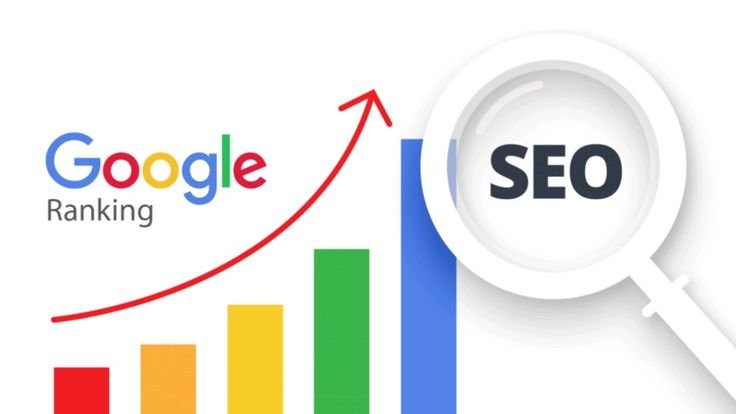
Ranking a website on Google is one of the most common goals in digital marketing. But many people approach it the wrong way.They focus on tricks instead of basics. From my experience, websites don’t fail because SEO is hard.They fail because the basics are ignored. I’ve worked on projects where small improvements in content, structure, and keyword targeting brought noticeable ranking growth without heavy investment. If you understand the process and stay consistent, ranking is achievable. What Does “Ranking on Google” Mean? When someone searches for something, Google shows a list of results. Ranking means your website appears higher in those results. The higher your position: How Google Decides Rankings (Simple Explanation) Google mainly looks at three things: 1. Relevance Does your content match what the user is searching for? 2. Quality Is your content useful, clear, and complete? 3. Trust Is your website reliable and credible? If your website performs well in these three areas, your chances of ranking improve. Step-by-Step Process to Rank a Website Let’s break it down into a simple, practical system. 1. Start with Keyword Research Everything begins here. Find out: From my experience, choosing the right keyword is half the work done. Focus on: 2. Create High-Quality Content Content is the foundation. Your content should: Avoid writing just to fill space. In one project, improving content clarity alone helped increase rankings without any additional work. 3. Optimize On-Page SEO Once content is ready, optimize it. Basic checklist: These small changes help search engines understand your content better. 4. Focus on Website Structure A clean website structure improves both SEO and user experience. Make sure: When users stay longer on your site, rankings improve. 5. Build Internal Links Internal linking is often ignored but very powerful. Link: This helps: 6. Improve Website Speed & Mobile Experience User experience matters. Ensure: From experience, slow websites lose both visitors and rankings. 7. Get Backlinks (Build Trust) Backlinks are links from other websites to your site. They signal trust. But focus on: Even a few strong backlinks can make a difference. 8. Be Consistent with Content One blog is not enough. Publish regularly: Consistency builds authority over time. 9. Update and Improve Content SEO is not one-time work. Update your content: In many cases, updating old blogs brings faster results than creating new ones. Common Mistakes That Stop Websites from Ranking Avoid these: One common mistake I’ve seen is trying to rank for very competitive keywords too early. Start small. Grow gradually. Real Experience Insight In one project, we didn’t create new content. We: Within a few weeks, rankings improved and traffic increased. This shows that SEO is more about doing the basics right than doing everything. How Long Does It Take to Rank? It depends on: General idea: Patience is important. Final Thoughts Ranking a website on Google is not about shortcuts. It’s about: If you focus on these, results will follow. Frequently Asked Questions (FAQs) How can I rank my website on Google fast? There is no guaranteed fast method. You can improve speed by targeting low-competition keywords and optimizing content properly. Is SEO enough to rank a website? SEO is the main factor, but consistency, content quality, and user experience also play a big role. How important is keyword research? It is very important because it helps you create content based on real search demand. Do I need backlinks to rank? For low competition keywords, you may rank without backlinks. For competitive keywords, backlinks help improve authority. How often should I publish content? Consistency matters more than frequency. Even 1–2 quality blogs per week is enough. Can beginners rank a website? Yes. With the right approach and consistency, beginners can achieve rankings.
On-Page SEO Checklist
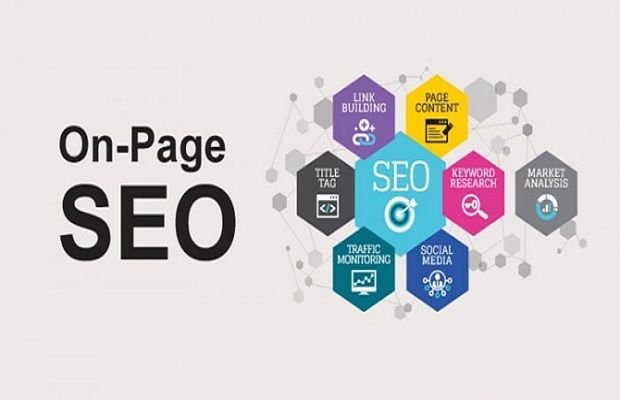
Many people think SEO is complicated. But in reality, most results come from doing the basics properly. I’ve worked with websites where just fixing on-page SEO brought noticeable improvement in rankings and traffic within a few weeks. No backlinks. No complex strategies. Just clean on-page work. If your content is good but not optimized, search engines may not understand it properly. This checklist will help you fix that. What is On-Page SEO? On-page SEO is the process of optimizing everything inside your website so it ranks better on search engines. It includes: Simple idea: Make your content clear for both users and search engines. Complete On-Page SEO Checklist Use this checklist before publishing any page or blog. 1. Keyword Placement (Start with Clarity) Before writing, decide your main keyword. Then use it naturally in: Don’t force keywords. Keep it natural. From my experience, overusing keywords reduces readability and doesn’t help ranking. 2. Title Tag Optimization Your title is the first thing people see. Make sure: Example: Bad: “SEO Guide”Better: “On-Page SEO Checklist for Beginners (2026)” 3. Meta Description (Improve Click Rate) Meta description doesn’t directly affect ranking, but it improves clicks. Keep it: Write it like a short summary that makes people want to click. 4. Proper Heading Structure Use headings to organize content: This helps both users and search engines understand your content. Avoid random heading usage. 5. URL Structure Keep your URL simple and clean. Example: Good:yourwebsite.com/on-page-seo-checklist Bad:yourwebsite.com/page?id=12345 Short URLs perform better and are easier to understand. 6. Content Quality (Most Important) Content is the core of SEO. Your content should: From experience, content that solves problems clearly always performs better than content written just for keywords. 7. Internal Linking Link your content to other relevant pages on your website. Example: This helps: Add 2–4 internal links per page. 8. Image Optimization Images improve engagement, but they should be optimized. Checklist: Example:Instead of “IMG123.jpg” → use “on-page-seo-checklist.jpg” 9. Mobile-Friendly Design Most users visit from mobile. Make sure: If users struggle, rankings will drop. 10. Page Speed Slow websites lose visitors. Basic improvements: From experience, even a few seconds delay can reduce conversions. 11. Readability (Keep It Simple) Write in a way that anyone can understand. If a beginner can understand your content, it’s strong. 12. Use of Keywords (Natural Flow) Use your keyword naturally throughout the content. Also include related keywords. But avoid: Search engines understand context now. 13. External Linking (When Needed) Link to trusted sources when necessary. This builds credibility. But don’t overdo it. 14. Content Update SEO is not one-time work. Update your content: From experience, updating old blogs often gives faster ranking improvements than writing new ones. Common On-Page SEO Mistakes Avoid these mistakes: One common mistake I’ve seen is focusing only on writing content but ignoring structure. Structure matters. Real Experience Insight In one project, we didn’t create new content. We only: Within a few weeks, rankings improved and traffic increased. That’s the power of proper on-page SEO. Final Thoughts On-page SEO is not complicated. It’s about doing simple things properly. Focus on: That alone can improve your results. Frequently Asked Questions (FAQs) What is on-page SEO in simple words? On-page SEO is optimizing the content and structure of your website to improve search engine rankings. How important is on-page SEO? It is very important because it helps search engines understand your content and improves user experience. How many keywords should I use in a page? Focus on one main keyword and a few related keywords. Avoid overusing them. Does on-page SEO alone help ranking? Yes, especially for low to medium competition keywords. But for competitive keywords, you may also need off-page SEO. How often should I update my content? You can review and update content every 2–3 months for better performance. Is on-page SEO difficult? No. Once you understand the basics, it becomes simple and easy to apply.
What is SEO Keyword Research?
Most people start SEO by creating content. But the real question is: Are you creating content that people are actually searching for? This is where SEO keyword research becomes important. From my experience, I’ve seen businesses post consistently on blogs and social media but still struggle to get traffic. The reason is simple—they create content based on what they think, not what users search. Once we align content with real search terms, traffic and inquiries start improving. Keyword research is not technical. It’s about understanding people. What is SEO Keyword Research? SEO keyword research is the process of finding the exact words and phrases people type into search engines to find information, products, or services. Instead of guessing topics, you use real search behavior. Simple example: A business may think people search:“interior design service” But actual searches are:“best interior designers in Kerala”“low budget home interior ideas” That difference decides whether your content gets traffic or stays unnoticed. Why SEO Keyword Research is Important Keyword research helps you: Without keyword research, content becomes random.With keyword research, it becomes focused and effective. Types of SEO Keywords (Simple Understanding) You don’t need complex definitions. Just understand these basic types. Short Keywords Example:“SEO” Long-Tail Keywords Example:“SEO keyword research for beginners” When I started, I focused more on long keywords. That helped me get results faster without competing with big websites. Search Intent Keywords Every keyword has a purpose. If your content matches the intent, your chances of ranking increase. How SEO Keyword Research Actually Works It’s simple. You match three things: If your content is better and more useful, you have a higher chance of ranking. Step-by-Step SEO Keyword Research Process You don’t need expensive tools to start. Step 1: Think Like Your Audience Ask: This step alone can give you strong keyword ideas. Step 2: Use Google Search Type your topic into Google and observe: These are real queries from real users. Step 3: Check Competitor Content Search your keyword and see: Don’t copy. Improve. Step 4: Choose the Right Keywords Pick keywords that are: From experience, targeting simple and specific keywords first helps build confidence and results. Where to Use Keywords in Content Finding keywords is only the first step. Use them properly in your content: Avoid overusing keywords. Keep it readable. Common SEO Keyword Research Mistakes Avoid these mistakes: One mistake I’ve seen often is focusing only on traffic. Traffic is not useful if it doesn’t convert into leads or inquiries. SEO Keyword Research for Business Owners If you run a business, keyword research can directly impact your growth. Instead of posting random content, focus on: Example: Instead of posting “Our services,”create content like: “How to choose the right interior designer for your home.” This attracts people who are already interested. Best Free Ways to Find Keywords You don’t need paid tools in the beginning. Use: Some of the best keyword ideas come from real conversations with customers. How Long Does Keyword Research Take? In the beginning, it may take time. But once you understand your audience, it becomes faster and easier. With practice, you can find strong keywords quickly. Final Thoughts SEO keyword research is the foundation of SEO. If you get this right: Keep it simple. Understand your audience.Focus on real search behavior.Create content that solves problems. That’s what works. Frequently Asked Questions (FAQs) What is SEO keyword research in simple words? SEO keyword research is the process of finding what people search for on Google so you can create content based on those searches. Is keyword research necessary for SEO? Yes. Without keyword research, it becomes difficult to create content that ranks and attracts the right audience. Can beginners do keyword research easily? Yes. Beginners can start using simple methods like Google suggestions and competitor analysis. How many keywords should I use in one page? Focus on one main keyword and a few related keywords. Avoid using too many keywords unnaturally. What is the difference between SEO and keyword research? SEO is the overall process of improving your website, while keyword research is one part of SEO that focuses on finding search terms. Why is keyword research important for business owners? It helps businesses attract the right audience, improve visibility, and generate better quality leads.
Beginner’s Guide to SEO (2026)
Why SEO Still Matters in 2026 Whenever people need something, they search first. It could be a service, a product, or even a simple doubt. Before making a decision, most people check online, compare options, and choose what feels right. If your business or content appears at that moment, you get the opportunity. That’s exactly what SEO does. From my experience working with different clients, many businesses depend only on social media or word-of-mouth. They post regularly but still struggle to get consistent leads. Once we worked on SEO, they started receiving steady inquiries without depending on daily ads. SEO is not instant. But once it starts working, it brings results consistently. What is SEO? SEO (Search Engine Optimization) is the process of improving your website so it appears higher on search engines. In simple terms: Better visibility → More traffic → More inquiries → More growth Unlike paid ads, you don’t have to spend money for every click. Once your content ranks, it can bring visitors regularly. How Google Works (Simple Explanation) Google’s goal is simple:Show the most relevant and helpful result for every search. To do this, it follows three steps: Crawling – Google scans your websiteIndexing – It stores your contentRanking – It decides where your page should appear Your job is not to “trick” Google. Your job is to make your content clear, useful, and trustworthy. Types of SEO You don’t need to master everything at once, but understanding the basics will give you a strong start. On-Page SEO This is everything you do inside your website. It includes: Simple approach:Write for people first, then structure it properly. Off-Page SEO This is about building trust from outside your website. The main factor is backlinks—when other websites link to you. From experience, even a few strong, relevant links can make a big difference in ranking compared to many low-quality ones. Technical SEO This focuses on how your website performs. It includes: You don’t need advanced technical knowledge in the beginning. Just make sure your website loads fast and works well on mobile. Local SEO This is important if you run a local business. When someone searches for a service nearby, search engines show local results. To improve your local visibility: Many small businesses underestimate this, but local SEO alone can bring daily inquiries. What is Keyword Research? Keyword research means understanding what people are actually searching for. Instead of guessing, you use real search terms. For example: Types of Keywords Short keywords – High competition, broadLong keywords – Lower competition, more targeted If you’re starting out, focus more on long keywords. They are easier to rank and bring the right audience. How to Do Keyword Research (Beginner Method) You don’t need complicated tools to start. Follow this simple process: When I started, I didn’t rely on paid tools. Simple research using search suggestions helped me get initial results. On-Page SEO Checklist Before publishing any blog or page, check this: Avoid overusing keywords. Keep everything natural. Content Strategy for SEO SEO is not about writing random blogs. It works best when you follow a structure. Pillar and Cluster Approach Create one main topic and support it with related content. Example: Main topic: SEO GuideSupporting topics: This helps build authority and improve ranking over time. How Long Does SEO Take? SEO takes time. From experience, most people quit too early. Consistency matters more than speed. Common SEO Mistakes Beginners Make Avoid these if you want better results: One common mistake I’ve seen is creating content once and leaving it. Updating existing content often gives faster results than starting from scratch. SEO for Business Owners If you run a business, SEO can become a consistent source of leads. You don’t need a complex setup. Start with: Even small businesses can generate daily inquiries if they focus on the right keywords and consistent content. Best Free SEO Tools for Beginners You don’t need expensive tools in the beginning. Start with: Use tools only when your needs grow. Future of SEO (2026 and Beyond) SEO is evolving, but the core idea remains the same—help people find what they need. Key changes happening: Those who focus on value will always stay ahead. Final Thoughts SEO is not complicated. It becomes simple when you focus on the basics. Understand what people are searching for.Create content that genuinely helps.Stay consistent over time. That’s enough to start seeing results. Frequently Asked Questions (FAQs) What is SEO in simple words? SEO is the process of improving your website so that it appears higher on search engines when people search for related topics. It helps bring free and consistent traffic. How long does SEO take to show results? SEO usually takes 3 to 6 months to show noticeable results. It depends on your competition, content quality, and consistency. Is SEO better than paid ads? SEO is better for long-term results, while paid ads give immediate traffic. The best approach is to use both based on your goals. Can beginners learn SEO without technical knowledge? Yes. Beginners can start with basic concepts like keyword research, content writing, and simple website optimization. Advanced technical skills can be learned later. What is the most important factor in SEO? Creating helpful and relevant content is the most important factor. If your content solves the user’s problem clearly, it has a higher chance of ranking. Do I need a website for SEO? Yes. A website is important because SEO mainly works by ranking web pages on search engines.
Complete Guide to Digital Marketing for Beginners (2026)
Why Digital Marketing Matters in 2026 The way people buy has changed. Before, customers depended on shop visits, word-of-mouth, and newspaper ads. Today, they search on Google, scroll through Instagram, and compare options online before making a decision. This shift has made digital marketing one of the most important skills for both students and business owners. If you are a student, digital marketing can open doors to freelancing, jobs, and even your own business.If you are a business owner, it helps you generate leads, build trust, and grow consistently. From my experience working with clients, many businesses initially depended only on offline marketing. Once we implemented digital strategies, they started getting consistent inquiries within a few months. This guide will help you understand everything from the basics to a clear starting path. What is Digital Marketing? Digital marketing is simply promoting products or services using the internet. Instead of reaching people through TV or newspapers, you reach them through: The main advantage is targeting the right audience at the right time. For example, if someone searches “best interior designer near me,” your business can appear right in front of them. That’s the power of digital marketing. Types of Digital Marketing Digital marketing has different parts. You don’t need to master everything at once, but you should understand the basics. Search Engine Optimization (SEO) SEO is the process of improving your website so it ranks on Google. When your website appears on the first page, you get free traffic regularly. Example:Ranking a local business for “home interiors in Kerala” can bring daily inquiries without spending on ads. Social Media Marketing (SMM) This involves promoting your brand on platforms like Instagram, Facebook, and LinkedIn. It includes: Consistency matters more than perfection here. Search Engine Marketing (Google Ads) This is paid advertising on Google. You can appear at the top instantly, but you need a proper strategy to avoid wasting money. Content Marketing Content marketing is about providing value through: Good content attracts, educates, and builds trust with your audience. Email Marketing Email marketing helps you stay connected with your audience. It’s useful for: Affiliate & Influencer Marketing Here, you promote through others: This works well for brand awareness and trust-building. How Digital Marketing Actually Works Digital marketing follows a simple journey: Awareness → Interest → Consideration → Conversion Let’s break it down with a real example: A person sees your Instagram reel →Visits your profile →Clicks your website →Sends a message →Becomes your customer Every step matters. If one step is weak, you lose the customer. Step-by-Step Guide to Start Digital Marketing Starting is where most people get confused. Keep it simple. Step 1: Decide Your Goal Choose one: Your goal decides your path. Step 2: Focus on One Skill First Don’t try to learn everything at once. Start with: Step 3: Learn and Practice Together Learning without practice won’t help. Start applying what you learn on: Step 4: Build Your Portfolio Your portfolio is proof of your work. Show: When I started, I focused more on results than money. Even small projects helped me build strong case studies. Step 5: Start Earning Once you have basic experience: Best Digital Marketing Tools for Beginners (2026) You don’t need too many tools in the beginning. Free Tools Paid Tools (Later Stage) Start simple. Upgrade only when needed. Common Mistakes Beginners Make Avoid these if you want faster progress: One common mistake I’ve seen is focusing only on content but ignoring audience targeting. Even good content won’t work if it’s shown to the wrong people. Digital Marketing for Business Owners If you run a business, digital marketing is no longer optional. You don’t need a complex strategy to start. Begin with: Even a small local business can generate daily inquiries through simple reels and WhatsApp responses if done consistently. How Long Does It Take to See Results? This depends on the method: Be patient. Consistency is what brings results. Future of Digital Marketing (2026 & Beyond) Digital marketing keeps evolving, but some trends are clear: Those who adapt early will always have an advantage. Final Thoughts Digital marketing is not about doing everything. It’s about doing the right things consistently. Start small. Focus on one skill. Practice daily. Improve step by step. That’s how real growth happens. Want to Get Started or Grow Faster? If you’re a student looking to learn digital marketing or a business owner who wants to generate more leads online, you can connect with me. I help with: Let’s build something that actually brings results. Frequently Asked Questions 1. What is digital marketing in simple words? Digital marketing is promoting products or services using the internet through platforms like Google, social media, websites, and email to reach the right audience. 2. How can a beginner start digital marketing? Start by choosing one skill like SEO or social media marketing, learn the basics, practice on real projects, build a portfolio, and then start applying for jobs or freelance work. 3. Is digital marketing a good career in 2026? Yes. Digital marketing is growing rapidly, and businesses of all sizes need online presence. It offers opportunities in jobs, freelancing, and entrepreneurship. 4. How long does it take to learn digital marketing? You can learn the basics in 1–3 months, but gaining real experience and confidence usually takes 3–6 months with consistent practice. 5. Can I start digital marketing without investment? Yes. You can start with free tools, learn from online resources, and practice using your own social media or small projects. 6. Which is the best digital marketing skill for beginners? SEO and social media marketing are the best starting points because they are in high demand and easier to practice. 7. How does digital marketing help small businesses? It helps businesses reach more customers, generate leads, build trust, and increase sales without depending only on offline methods.
Digital Marketing Services: A Simple Guide
In today’s society, almost every person uses the internet. Human beings explore for products, services, and information online. Businesses desire to reach these human beings, and that’s where digital marketing arrives. Digital marketing is like a bridge that connects businesses with customers through the Internet. It helps companies smartly assist their products and services. Let’s lay hold of a look at the different types of digital marketing services and how they work. 1. SEO on Digital Marketing Services You have a shop, but nobody knows where it is. SEO has huge, bright signs that people can use to find your shop on the internet easily. If someone searches on Google, SEO makes your website appear at the top of all results. To do that, it uses the right keywords, improves website speed, and creates useful content. Visualize you and your companion both open lemonade stands, but your stand is hidden behind a big tree, and your friend’s stand is at the front where each person can see it. Who do you reflect will get extra customers? Your friend! That’s entirely how Search Engine Optimization works! It helps a website move to the front of the line on Google so more people can find it. How Does SEO Work? SEO is kind of giving your website that little push forward so Google could find it pretty easily and drive it to see more people Here’s Exactly How It Works Pick The Right Words —Use words, which people can actually search for (such as the best lemonade in town.) Make Great Content—Write super useful blogs and add cool images or make interesting videos. Accelerate It-Fast load is always a MUST-NO slowing the site!). Get Trusted by Google – Whenever other websites refer to you, Google trusts the website more Example: Consider you searching for “yummy chocolate cake” in Google. The first pop-up website didn’t get a lucky break-in; it merely used SEO hacks to get its position at number one. Why is SEO awesome? ✅ More Visitors – If your page is number one, a lot of click-throughs!!! ✅ No Ads Needed – Unlike PPC (paying for ads), SEO is free! ✅ Long-Term Results – Once you rank high, you stay there for a long time! So, SEO is like moving your lemonade stand to the busiest street—more people see you, and you get more customers! 2. SMM on Digital Marketing Services Imagine just opening up the coolest new bakery in town. You have the best chocolate cake in town, but how do you get the word out? ???? You could go out and yell at everyone, “Hey everyone, I have really yummy cakes!” Wouldn’t it be easier to post a scrumptious picture of that cake on Facebook, Instagram, or YouTube? Then thousands of people can view it! That’s exactly what Social Media Marketing does! How Does It Work? Social Media Marketing: Share fun, cool stories about your business – more people can get excited about your business with you. Telling them “buy this and that” and that’s about it is simply boring. Well, connect and entertain them! Here’s How It Worked: Posted Cool Stuff! – Share interesting pictures, great videos, and funny posts in regards to whatever you sell! Talk to Them! – Start a conversation when people comment – reply to people, answer queries, and gain friends! Use Hashtags & Trends – Like #BestCakeEver so more people find your post. Run Ads – You can even pay a little to show your post to more people. Example: Suppose you posted a funny video of a puppy eating cake from your Bakery. People found it super funny and shared it. Soon, everybody knows about your bakery and they all want to have your cake! ✅ Millions of People See You – Billions of people use social media every day! ✅ Fun & Easy – No boring ads, just cool and creative posts! ✅ More Customers – The more people like your posts, the more they remember you! So, social media marketing is like making friends online—you share fun stuff, and people enjoy it. When they need what you sell, they think of you first! SMM is called digital marketing and e-marketing. It is a process of advancement for brands, products, or services through social media ( Facebook, Twitter, Instagram, YouTube, and LinkedIn) In SMM, engaging content creation, community building, and other desired actions, such as driving website traffic or sales, are finally the goal. Businesses use social media marketing to show their ads, products, and services to such people. They produce interesting posts, run advertisements, and engage with customers. 3. PPC on Digital Marketing Services Visualize you have a toy shop, and you want a large amount of people to come and buy your toys. But there are many toy shops in town! How do you make sure people see yours first? That’s where PPC (Pay-per-click) advertising helps! How Does PPC Advertising Work? Imagine PPC as putting up a huge, glowing billboard on the internet. But instead of paying for the billboard all the time, you only pay when someone actually clicks on it! Here’s How It Works: Create an Ad – Businesses make an ad about their product (like toys, cakes, or clothes). Choose Keywords – They pick special words people might type when searching online. Show the Ad – When someone searches for that word, the ad appears at the top of Google, YouTube, or Facebook. Click = Pay – If someone clicks the ad, the business pays a small fee. Example: Suppose you query “cool remote control car on Google. Top ad from some toy store for it. Well, that’s PPC advertising in a nutshell if you click for them, this toy store would pay Google money and then end up buying cars from them. So why is PPC awesome? That’s because; results are usually very fast. It means the ad is appearing overnight! More people get to you – the right kinds of people and all.
Digital Marketing Interview Questions in 2024 & Answers
Digital Marketing Interview Questions in 2024 may cover a wide range of topics. The landscape of digital marketing continues to evolve rapidly, and as such, interview questions for digital marketing roles have also evolved to reflect the latest trends and technologies. Employers seek candidates who not only possess a strong foundation in traditional digital marketing concepts but also demonstrate adaptability, creativity, and proficiency in emerging tools and platforms. Basic Digital Marketing Interview Questions in 2024 What are the latest trends in digital marketing in 2024? Answer: Some of the latest trends include AI-driven marketing automation, personalized omnichannel experiences, voice search optimization, immersive technologies like AR and VR, and sustainability-focused marketing initiatives. How do you stay updated with the latest digital marketing trends and changes? Answer: I stay updated through industry blogs, and podcasts, attending webinars, following industry leaders on social media, and participating in relevant forums and discussions. What is the significance of Artificial Intelligence in digital marketing? Answer: AI plays a crucial role in digital marketing by enabling predictive analytics, personalized content recommendations, chatbots for customer service, automated ad targeting, and optimizing marketing campaigns for better ROI. How can businesses leverage augmented reality (AR) in their marketing strategies? Answer: Businesses can use AR for interactive product demonstrations, virtual try-ons, location-based experiences, gamification, and enhancing customer engagement both online and offline. Explain the importance of data privacy in digital marketing. Answer: Data privacy is crucial as it builds trust with customers. Businesses must comply with regulations like GDPR and CCPA, ensure secure data handling practices, obtain explicit consent for data usage, and transparently communicate their privacy policies. What strategies would you implement to improve a website’s search engine ranking in 2024? Answer: Implementing a comprehensive SEO strategy involving keyword research, optimizing website structure and content, improving page speed, leveraging schema markup, focusing on mobile optimization, and creating high-quality backlinks from reputable sources. How would you approach creating content for voice search in 2024? Answer: I would focus on creating conversational and long-tail keyword-rich content, optimizing for featured snippets, providing concise and direct answers, structuring content in a Q&A format, and ensuring compatibility with voice-enabled devices and platforms. Can you explain the concept of omnichannel marketing and its importance? Answer: Omnichannel marketing integrates various communication channels seamlessly to provide a unified and consistent brand experience across all touchpoints, whether online or offline. It’s important as it enhances customer engagement, fosters brand loyalty, and drives conversions by meeting customers wherever they are in their buyer’s journey. How do you measure the effectiveness of a digital marketing campaign? Answer: I measure effectiveness by tracking key performance indicators (KPIs) such as website traffic, conversion rates, click-through rates, cost per acquisition (CPA), return on ad spend (ROAS), customer lifetime value (CLV), and engagement metrics across different channels. What role does content marketing play in the digital marketing landscape? Answer: Content marketing is essential for building brand awareness, establishing thought leadership, nurturing customer relationships, driving organic traffic, and supporting other digital marketing initiatives such as SEO and social media. How do you approach A/B testing in digital marketing campaigns? Answer: I start by identifying specific elements to test such as ad copy, visuals, landing page layouts, or CTAs. Then, I create variations for each element and run experiments with a statistically significant sample size. Finally, I analyse the results to determine which variation performs better and iterate accordingly. Explain the concept of customer journey mapping and its importance in digital marketing. Answer: Customer journey mapping involves visualizing the various touchpoints and interactions a customer has with a brand throughout their buying process. It’s important as it helps businesses understand their customers’ needs, pain points, and behaviors at each stage, allowing them to tailor marketing efforts for better engagement and conversion. How do you approach influencer marketing in 2024? Answer: I would start by identifying influencers relevant to the target audience and brand niche, analyzing their audience demographics, engagement metrics, and authenticity. Then, I would establish authentic partnerships, create compelling content collaboratively, and track performance using relevant metrics to ensure the campaign’s success. What strategies would you use to increase engagement on social media platforms? Answer: I would focus on creating valuable and shareable content, leveraging multimedia formats such as videos, images, and infographics, engaging with the audience through polls, Q&A sessions, and live streams, utilizing user-generated content, and optimizing posting times and frequency based on platform insights. How would you approach remarketing to improve conversions? Answer: I would segment website visitors based on their behavior and interests, create personalized remarketing campaigns tailored to each segment, use dynamic ads to show relevant products or content, set frequency caps to avoid ad fatigue, and continuously optimize based on performance data. Explain the concept of marketing automation and its benefits. Answer: Marketing automation involves using software tools to streamline repetitive marketing tasks such as email marketing, lead nurturing, social media posting, and campaign management. Its benefits include increased efficiency, better lead management, improved targeting and personalization, and freeing up time for strategic planning and analysis. How do you approach email marketing in 2024, considering changing consumer behaviors and preferences? Answer: I would focus on delivering personalized and relevant content tailored to the recipient’s interests and behavior, optimizing email design for mobile devices, implementing advanced segmentation and automation based on user interactions, and prioritizing engagement and deliverability to maintain a healthy sender reputation. Explain the role of chatbots in customer service and lead generation. Answer: Chatbots use AI and natural language processing to interact with users in real time, providing instant responses to inquiries, assisting with product recommendations, guiding users through the sales funnel, and capturing lead information for further nurturing by sales teams. How do you approach digital advertising in an era of ad blockers and privacy concerns? Answer: I focus on creating non-intrusive and relevant ads that provide value to the audience, utilizing native advertising formats, emphasizing content quality over quantity, respecting user privacy preferences, and diversifying advertising channels to reach audiences effectively without solely relying on